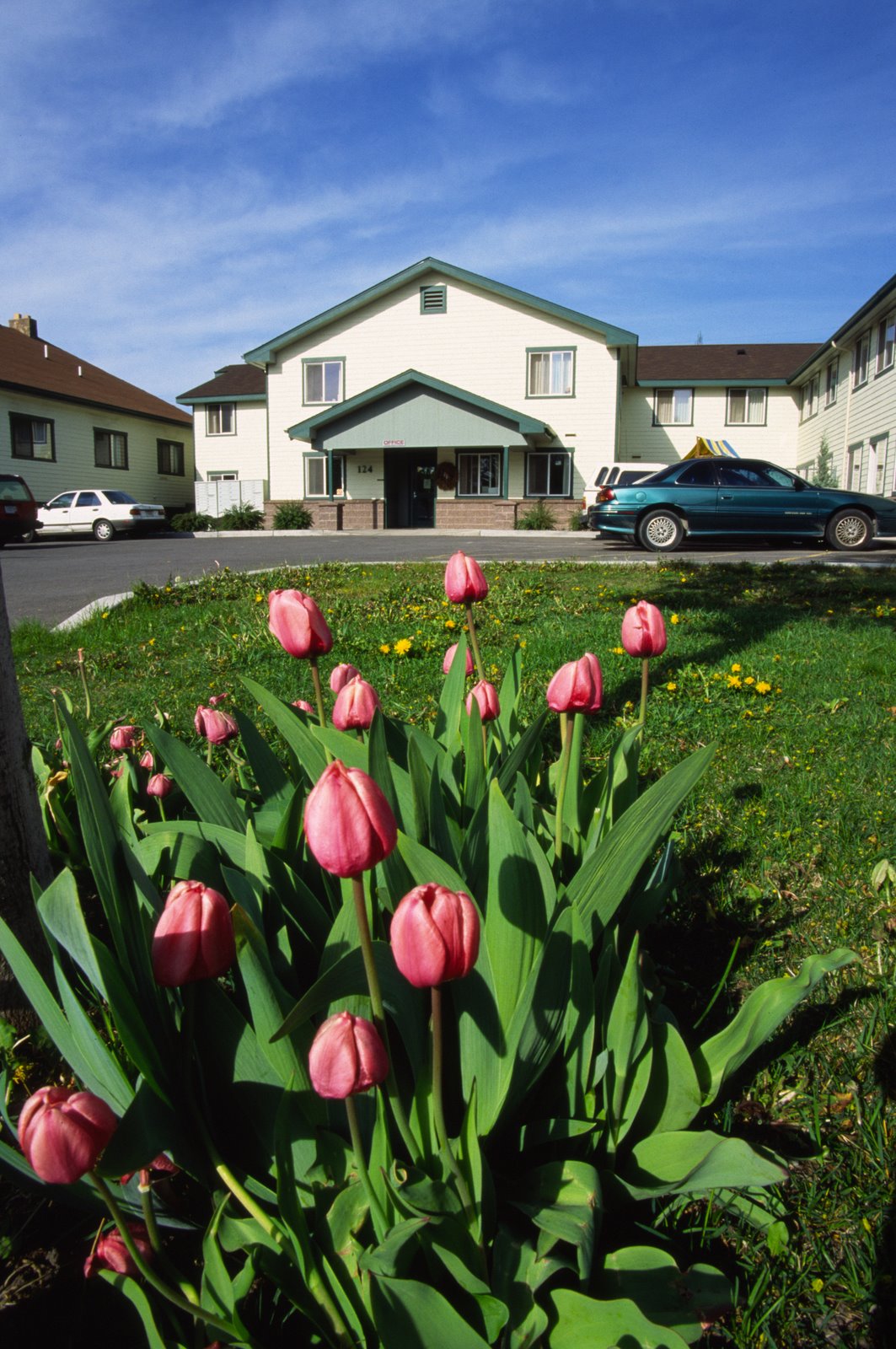
June is nearly over and July is just about ready to make it's 2014 debut. I like July. It's usually warm and people seem to be generally more agreeable in July than they are in February. It is much easier to be nicer to others over a cookout or barbecue than it is while shoveling snow and ice out of the driveway. The grayish-blue hue that colors our winter existence is replaced with a bright and vivid cloak of sunny perfection.
Another important facet of July is that it bears the honor and distinction of hosting our national day of independence. The 4th of July is my favorite holiday and I thought it would be fun (okay, I'm a self-admitted history nerd) to reexamine some of the ideas mentioned in the Declaration of Independence. Context is everything and since we are not living in the 18th century, some of the original language of this document might be lost on us in our super-cyber, social media driven life. Even though Thomas Jefferson was an incredible thinker, he had no followers on Twitter.
Over the next week or so, I will attempt to look at the following passage and investigate what it means to us, today:
"We hold these truths to be self-evident, that all men are created equal, that they are endowed by their Creator with certain unalienable rights, that among these are life, liberty and the pursuit of happiness."
I would argue these 36 words frame some of the most amazing ideas ever considered. The intent was to form an axiomatic principle from which 13 struggling colonies could emerge into an independent, self-governing and functional nation. The beliefs shaping this document were meant to transcend our war with King George and forge an identity that would allow us a platform to gauge how we treated each other. To be fair, it needs to be stated that the Founder's ideas regarding "all men" were quite limited. Women, slaves, Native Americans, and those not owing property were often excluded.
And that is only one reason we will look at this amazing sentence. Times change. What do these concepts look like 238 years later? Have we truly embraced the idea that all people have the right to life, liberty, and the pursuit of happiness? Many of us have memorized this passage and can rattle it off with as much familiarity as our phone number or address. We have no problem accepting these values for ourselves. But do we have the grace to extend them to others who are different from ourselves?
We shall see.
Monday, June 30, 2014

Thursday, June 26, 2014
Career Day
I woke up, gathered a light rain jacket and then hightailed it outside. I have about 7 hours until I can reenter the shelter and the clouds tell me I shouldn't count on any accommodation from them. They're as fickle as my high school sweetheart and just as likely to be nice one minute and then dump on me the next. Wow. High school was 21 years ago and it feels like it was yesterday. I remember going to our career day and laughing it off as the different businesses presented their pleas as to why I should embrace their path as my own. I was headstrong and just knew I would take this world by storm. I don't recall any homeless people showing up for career day.
It's funny how hungry a person can get while they plod through job applications. There's no real logic to it and none of the questions or inquires are about food, but my stomach was in knots by the third one and my concentration was almost shot. I'm not a big fan of online applications but it seems more and more businesses are going this route. Life changes fast and doesn't really consult us on whether we approve or not. Having to adapt to the changes and roll with the punches is a young person's game. I graduated school more than two decades ago. I don't feel young but I'm as hungry as any 19 year old out there.
Here comes the rain. I thought it might hold off until I could check back into the shelter. June in the Flathead is meteorologically schizophrenic. They say that if you don't like the weather, just wait 10 minutes because it will change. It has and it does. I'll just wait out the barrage in the library. I can read and check the status of my applications. I can watch from the window as people scurry in and out of shoppes, oblivious to my observations. Blending in is something I like to do but am rarely afforded the opportunity to do. I'm not homeless in the library; I'm a patron.
Time to turn in. It's been a long day and I will relive portions of it again tomorrow. My goal is to find a job, save some cash, secure a place to live. I want to contribute. I'm not an addict or a felon. I've never been arrested or driven drunk. I'm not lazy and I don't even like the taste of alcohol. I have a bundle of clothes at the foot of my bed and a few personal belongings in the top third of a dresser. I can be resilient or sullen and I transcend stereotypes. One thing is for certain, though...
Career day never prepared me for an existence like this.
It's funny how hungry a person can get while they plod through job applications. There's no real logic to it and none of the questions or inquires are about food, but my stomach was in knots by the third one and my concentration was almost shot. I'm not a big fan of online applications but it seems more and more businesses are going this route. Life changes fast and doesn't really consult us on whether we approve or not. Having to adapt to the changes and roll with the punches is a young person's game. I graduated school more than two decades ago. I don't feel young but I'm as hungry as any 19 year old out there.
Here comes the rain. I thought it might hold off until I could check back into the shelter. June in the Flathead is meteorologically schizophrenic. They say that if you don't like the weather, just wait 10 minutes because it will change. It has and it does. I'll just wait out the barrage in the library. I can read and check the status of my applications. I can watch from the window as people scurry in and out of shoppes, oblivious to my observations. Blending in is something I like to do but am rarely afforded the opportunity to do. I'm not homeless in the library; I'm a patron.
Time to turn in. It's been a long day and I will relive portions of it again tomorrow. My goal is to find a job, save some cash, secure a place to live. I want to contribute. I'm not an addict or a felon. I've never been arrested or driven drunk. I'm not lazy and I don't even like the taste of alcohol. I have a bundle of clothes at the foot of my bed and a few personal belongings in the top third of a dresser. I can be resilient or sullen and I transcend stereotypes. One thing is for certain, though...
Career day never prepared me for an existence like this.
Monday, June 23, 2014
The World Cup and Homelessness
The popularity of soccer in America wanes in comparison to the sport in nearly every other country on the planet. Right now the World Cup is unfolding in Brazil and the 32 nations involved are battling it out. I grew up playing soccer and it is my favorite sport to both play and watch. It's always been a bit frustrating being a soccer fan in America, but I will enjoy the attention to this beautiful game and keep my fingers crossed for the US team.
The decision to to hold the World Cup in Brazil has been very controversial within the host country. While Brazil is one of the most beautiful countries in the world, it is also one of the poorest. The finances dedicated to this soccer tournament are astronomical and there have been riots and protests by native Brazilians who contend all the money spent on preparing and hosting the World Cup should have been spent in other areas. Poor education and high unemployment plague Brazil. There is a wide chasm between the wealthy and poor and many opponents of the World Cup view the resources spent as a colossal waste of time and a negligent allotment of money.
Those who support the decision for the games in Brazil point to the potential of earned revenue generated in the country as thousands of visitors flock to the various venues hosting games over the next month. Hotels, restaurants, tourism, and shopping will all see an increase due to the World Cup. This perspective views the tournament as a necessary tool to possibly revitalize the and stimulate the Brazilian economy. The argument can go as deep as a person wants to examine and my intention is not to weigh in favor of one position. But the argument does raise some interesting points.
First, what should a community's response to social issues be? If there are pressing, prevalent needs in an area, how much responsibility should be shouldered by members of the community to solve those problems? Or, another fair question could be whether or not social ills need to be addressed at all. A city has obligations toward infrastructure and maintaining the economic viability of it's business sector. Putting local businesses in positions to thrive and succeed is a sign of strong government. Allocating resources is a complex issue and not something to be done lightly.
But what happens when ascetics supplants societal improvement? Is there a limit to the amount of money spent that should be spent on beautification projects and measures that, while providing some positivity, don't really contribute to solving other issues that plague the community negatively? Or are these issues best examined and addressed by individuals and organizations focused specifically on social problems?
I don't think it's an 'either/or' situation and striking a balance between governmental involvement and personal, individual responsibility must be reached. Obviously, reducing and eliminating homelessness in the Flathead Valley is important to us and we do our best to be a bridge between communal involvement between organizations, businesses, government, and individuals. Prioritizing and implementing practical solutions in which everyone assumes some responsibility for providing answers is the best way to make positive changes regarding homelessness in our area.
Now... Back to soccer and go USA!
The decision to to hold the World Cup in Brazil has been very controversial within the host country. While Brazil is one of the most beautiful countries in the world, it is also one of the poorest. The finances dedicated to this soccer tournament are astronomical and there have been riots and protests by native Brazilians who contend all the money spent on preparing and hosting the World Cup should have been spent in other areas. Poor education and high unemployment plague Brazil. There is a wide chasm between the wealthy and poor and many opponents of the World Cup view the resources spent as a colossal waste of time and a negligent allotment of money.
Those who support the decision for the games in Brazil point to the potential of earned revenue generated in the country as thousands of visitors flock to the various venues hosting games over the next month. Hotels, restaurants, tourism, and shopping will all see an increase due to the World Cup. This perspective views the tournament as a necessary tool to possibly revitalize the and stimulate the Brazilian economy. The argument can go as deep as a person wants to examine and my intention is not to weigh in favor of one position. But the argument does raise some interesting points.
First, what should a community's response to social issues be? If there are pressing, prevalent needs in an area, how much responsibility should be shouldered by members of the community to solve those problems? Or, another fair question could be whether or not social ills need to be addressed at all. A city has obligations toward infrastructure and maintaining the economic viability of it's business sector. Putting local businesses in positions to thrive and succeed is a sign of strong government. Allocating resources is a complex issue and not something to be done lightly.
But what happens when ascetics supplants societal improvement? Is there a limit to the amount of money spent that should be spent on beautification projects and measures that, while providing some positivity, don't really contribute to solving other issues that plague the community negatively? Or are these issues best examined and addressed by individuals and organizations focused specifically on social problems?
I don't think it's an 'either/or' situation and striking a balance between governmental involvement and personal, individual responsibility must be reached. Obviously, reducing and eliminating homelessness in the Flathead Valley is important to us and we do our best to be a bridge between communal involvement between organizations, businesses, government, and individuals. Prioritizing and implementing practical solutions in which everyone assumes some responsibility for providing answers is the best way to make positive changes regarding homelessness in our area.
Now... Back to soccer and go USA!
Thursday, June 19, 2014
Creatures of Habit
What are 'creatures of habit'?
I've heard the expression numerous times. I've even tried finding documentaries about them, but I always end up sidetracked, watching some ridiculous flick about Sasquatch. There are hundreds of web sites devoted to Urban Legends, but I've yet to stumble across these creatures. I've searched the pantheons of world mythology and cannot, for the life of me, find this mythical beast. I was beginning to think they were either extinct or altogether spurious until I accidentally found one.
It was looking back at me in the mirror. I am a creature of habit and perhaps you know one, too. As much as I like to fancy myself as a spontaneous person, I am far too gone down the rabbit hole of routine to consider myself a maverick. I enjoy my life and (most of) the principal people involved with my existence. I have the occasional friend, a family, some activities and skills I like and am good at, but most of all I wallow in the predictability that accompanies me in most situations. Don't misunderstand me, its refreshing to have experiences and occurrences that take me on a side-adventure every once in a while. But overall, there is stability in routine and being a creature of habit means I can rely on certain things and that I must provide certain things for others. Wow... I sound very grown up, don't I?
If you are a creature of habit then you can relate to what I'm writing. Monumental surprises and deviations from your own routine can be very unsettling and prompt all manner of behavior ranging from mild annoyance to Dep-Con 12. So how would we react if our entire life was rearranged and the only thing we could count was the fact that we had nothing to count on? What if our new routine consisted of moment-to-moment scenarios that were out of our control? Instead of dictating our circumstances, all we could do is react?
Navigating a life of instability and chaos is nothing new for many of our homeless residents. For whatever reason, they come to us at one of the lowest points in their life and we do our best to partner with them and assist them in getting back on their feet. But we forget that many of these people are former creatures of habit who have had to adapt to a transient life based on unpredictability. We are quick to snap at their indecision and some of the choices they make but we fail to realize that we would probably have just a difficult time adjusting to a brand new life and the intricacies attached.
Working with the homeless involves patience, but not for the reason you might suspect. Patience is required because most people are overwhelmed at their new life and live in shock at all the decisions facing them. Inaction is often wrongly associated with apathy, when the reality of the situation is that the homeless person is simply trying to adjust to a new routine in order to find a way back to their old routine, when they were able to be productive citizens in our community.
It is our hope that we can help some new creatures find their way back to old habitats. All we ask for is a little patience. Many of our residents are doing their best to find ways to get back on their feet and contribute to society.
I've heard the expression numerous times. I've even tried finding documentaries about them, but I always end up sidetracked, watching some ridiculous flick about Sasquatch. There are hundreds of web sites devoted to Urban Legends, but I've yet to stumble across these creatures. I've searched the pantheons of world mythology and cannot, for the life of me, find this mythical beast. I was beginning to think they were either extinct or altogether spurious until I accidentally found one.
It was looking back at me in the mirror. I am a creature of habit and perhaps you know one, too. As much as I like to fancy myself as a spontaneous person, I am far too gone down the rabbit hole of routine to consider myself a maverick. I enjoy my life and (most of) the principal people involved with my existence. I have the occasional friend, a family, some activities and skills I like and am good at, but most of all I wallow in the predictability that accompanies me in most situations. Don't misunderstand me, its refreshing to have experiences and occurrences that take me on a side-adventure every once in a while. But overall, there is stability in routine and being a creature of habit means I can rely on certain things and that I must provide certain things for others. Wow... I sound very grown up, don't I?
If you are a creature of habit then you can relate to what I'm writing. Monumental surprises and deviations from your own routine can be very unsettling and prompt all manner of behavior ranging from mild annoyance to Dep-Con 12. So how would we react if our entire life was rearranged and the only thing we could count was the fact that we had nothing to count on? What if our new routine consisted of moment-to-moment scenarios that were out of our control? Instead of dictating our circumstances, all we could do is react?
Navigating a life of instability and chaos is nothing new for many of our homeless residents. For whatever reason, they come to us at one of the lowest points in their life and we do our best to partner with them and assist them in getting back on their feet. But we forget that many of these people are former creatures of habit who have had to adapt to a transient life based on unpredictability. We are quick to snap at their indecision and some of the choices they make but we fail to realize that we would probably have just a difficult time adjusting to a brand new life and the intricacies attached.
Working with the homeless involves patience, but not for the reason you might suspect. Patience is required because most people are overwhelmed at their new life and live in shock at all the decisions facing them. Inaction is often wrongly associated with apathy, when the reality of the situation is that the homeless person is simply trying to adjust to a new routine in order to find a way back to their old routine, when they were able to be productive citizens in our community.
It is our hope that we can help some new creatures find their way back to old habitats. All we ask for is a little patience. Many of our residents are doing their best to find ways to get back on their feet and contribute to society.
Tuesday, June 17, 2014
Rhetorically Speaking
Have you ever known a person who speaks in rhetorical questions (this, by the way, is not rhetorical)? I had a professor one time who liked employing this method of discussion, and she would often rattle off several questions in a row that were not intended to be answered. The idea behind a rhetorical question is to provoke the listener to think deeply and critically about an issue. The answer is never arrived at because the journey consumes the entire process.
A common example is, "What is the meaning of life?"
We could poll a hundred different people, resulting in a hundred different answers. No one would be 'right,' but each person would have a perspective that added to the discussion. Rhetorical questions are useful for prompting ideas and helping us consider things we might not normally think about. They allow us the convenience of dissecting arguments and themes without the embarrassment of being right or wrong. Basically, there is a lot of wiggle room to search our own values and beliefs while applying them to different situations.
At one time or another, every staff member at Samaritan House has viewed something or had a conversation with someone that has given us reason to pause and reflect on life. Here are a few questions that might hopefully inspire some thoughts you hadn't thought of before. Is that okay? The previous sentence was rhetorical.
"Why does he say he loves me if he continues to hit me?"
"How come there is no section for 'life experience' on this job application?"
"Which is safer: sleeping in my car or the shelter?"
"What is keeping people from simply getting a job?"
"What is more important, rent or gas money?"
And lastly...
"How can I make a difference?"
A common example is, "What is the meaning of life?"
We could poll a hundred different people, resulting in a hundred different answers. No one would be 'right,' but each person would have a perspective that added to the discussion. Rhetorical questions are useful for prompting ideas and helping us consider things we might not normally think about. They allow us the convenience of dissecting arguments and themes without the embarrassment of being right or wrong. Basically, there is a lot of wiggle room to search our own values and beliefs while applying them to different situations.
At one time or another, every staff member at Samaritan House has viewed something or had a conversation with someone that has given us reason to pause and reflect on life. Here are a few questions that might hopefully inspire some thoughts you hadn't thought of before. Is that okay? The previous sentence was rhetorical.
"Why does he say he loves me if he continues to hit me?"
"How come there is no section for 'life experience' on this job application?"
"Which is safer: sleeping in my car or the shelter?"
"What is keeping people from simply getting a job?"
"What is more important, rent or gas money?"
And lastly...
"How can I make a difference?"
Saturday, June 14, 2014
Happy Father's Day
Happy Father's Day.
I am dad and this is the most exciting, rewarding, and terrifying job on the planet. Raising children is such a multilayered process that sometimes I forget if I'm coming or going. I find myself frustrated, elated, scared, and hopeful several different times throughout the day. And I even have the benefit of a great wife who is an outstanding mother. There are thousands of single fathers in America who are doing their best to raise kids and provide a stable lifestyle.
In regards to single-parent homes, we tend to picture mothers living alone, raising their children. This is the typical image and it doesn't seem to raise too many eyebrows because it has become accepted. I'm not minimizing this seriousness of this situation or the ramifications for everyone involved. It is not ideal and is both a sacrifice and struggle for mother and child. My point is that, while this is difficult, the situation usually doesn't surprise us. However, we tend to sometimes forget that there are single fathers, too.
Because women are (rightly or wrongly?) stereotyped as being more nurturing than men, we find it surprising when men go against their own stereotypes and raise children without a female partner. This can be a result of divorce, abandonment, or death. Single fathers find themselves juggling work, daycare (if affordable), possible education, and parenting. I have enough trouble changing the channel and drinking at the same time, so multitasking single fathers are to be commended in my book.
And lets not forget those fathers who have the benefit of raising their children with the help and love of a partner. Marriage and commitment are incredible things and should be lauded as well. Father's Day is for all fathers who strive to be positive examples for their kids. In a world where it is too easy to find things that divide us, I hope we can all agree on the merits of fatherhood and the respect deserving fathers should get.
From one dad to many others... Happy Father's Day.
I am dad and this is the most exciting, rewarding, and terrifying job on the planet. Raising children is such a multilayered process that sometimes I forget if I'm coming or going. I find myself frustrated, elated, scared, and hopeful several different times throughout the day. And I even have the benefit of a great wife who is an outstanding mother. There are thousands of single fathers in America who are doing their best to raise kids and provide a stable lifestyle.
In regards to single-parent homes, we tend to picture mothers living alone, raising their children. This is the typical image and it doesn't seem to raise too many eyebrows because it has become accepted. I'm not minimizing this seriousness of this situation or the ramifications for everyone involved. It is not ideal and is both a sacrifice and struggle for mother and child. My point is that, while this is difficult, the situation usually doesn't surprise us. However, we tend to sometimes forget that there are single fathers, too.
Because women are (rightly or wrongly?) stereotyped as being more nurturing than men, we find it surprising when men go against their own stereotypes and raise children without a female partner. This can be a result of divorce, abandonment, or death. Single fathers find themselves juggling work, daycare (if affordable), possible education, and parenting. I have enough trouble changing the channel and drinking at the same time, so multitasking single fathers are to be commended in my book.
And lets not forget those fathers who have the benefit of raising their children with the help and love of a partner. Marriage and commitment are incredible things and should be lauded as well. Father's Day is for all fathers who strive to be positive examples for their kids. In a world where it is too easy to find things that divide us, I hope we can all agree on the merits of fatherhood and the respect deserving fathers should get.
From one dad to many others... Happy Father's Day.
Wednesday, June 11, 2014
Time Flies
Sometimes I forget how old I am. I'm not unaware of the actual number of years since I made my debut on planet Earth. There are probably hundreds of embarrassing photos chronicling my physical progression through the ages. And if I added up the total amount of candles I've extinguished over my 30-something years, I'm sure the Fire Marshall would likely need to be involved at some point. Time never stops and the calendar is a simple reminder that it keeps on ticking no matter how badly I would like to slow it down.
Growing older is one thing every single person on this planet has in common. No matter your income, politics, geography, or genetics... You have aged since you began reading this blog. Whether you admit or deny it, you are older (and wiser?) than when you clicked on this link. Poof! Thirty seconds of your existence that you can never retrieve without the help of a 1985 De Loreon.
Its not the concept of aging that I have a problem with, though. Its the consequences. I love the same things I enjoyed 10 or 15 years ago, but am learning that my level of enthusiasm morphs according to my forced level of participation. Playing linebacker is great fun but now I think I'll coach. Camping is still awesome, but sometimes roughing it at a Super 8 can be nice, too. And... As much as I hate to admit it, I must confess I have traded my futon for a recliner as I spend less time watching American Ninja Warrior and more time recording (because the show I like is on after I got to bed) the History Channel. Music is still enjoyable at an appropriate level.
It can be deflating when we realize we are unable to perform tasks like we could when we were younger. Studies by organizations that work in geriatric-related fields show the most common frustration for the elderly is that their physical abilities wane while their mental state is as keen or sharp as it ever was. The body deteriorates faster than the mind. When this happens, it is important to have a strong support system. Families, friends, and loved ones can play an integral role in assisting someone as they age and come to terms with increasing physical limitations.
Many of our older residents at Samaritan House have no such network or support. Because they have been living a transient existence or are have often left violent situations, they live a largely isolated lifestyle. Most of their routine revolves around completing tasks in isolation, without assistance from others. Mundane and common things like grocery shopping, working a job that involves moving around, or just walking to various appointments around town can be difficult.
One of our most important goals as Samaritan House is providing dignity to our residents. A specific way this can be accomplished is by helping our residents have access to specific modes of transportation. If you would like to provide a donation toward bus passes or even drop off a bicycle, you would be doing a great deal toward providing a solution to an issue that will never go away... Aging.
Growing older is one thing every single person on this planet has in common. No matter your income, politics, geography, or genetics... You have aged since you began reading this blog. Whether you admit or deny it, you are older (and wiser?) than when you clicked on this link. Poof! Thirty seconds of your existence that you can never retrieve without the help of a 1985 De Loreon.
Its not the concept of aging that I have a problem with, though. Its the consequences. I love the same things I enjoyed 10 or 15 years ago, but am learning that my level of enthusiasm morphs according to my forced level of participation. Playing linebacker is great fun but now I think I'll coach. Camping is still awesome, but sometimes roughing it at a Super 8 can be nice, too. And... As much as I hate to admit it, I must confess I have traded my futon for a recliner as I spend less time watching American Ninja Warrior and more time recording (because the show I like is on after I got to bed) the History Channel. Music is still enjoyable at an appropriate level.
It can be deflating when we realize we are unable to perform tasks like we could when we were younger. Studies by organizations that work in geriatric-related fields show the most common frustration for the elderly is that their physical abilities wane while their mental state is as keen or sharp as it ever was. The body deteriorates faster than the mind. When this happens, it is important to have a strong support system. Families, friends, and loved ones can play an integral role in assisting someone as they age and come to terms with increasing physical limitations.
Many of our older residents at Samaritan House have no such network or support. Because they have been living a transient existence or are have often left violent situations, they live a largely isolated lifestyle. Most of their routine revolves around completing tasks in isolation, without assistance from others. Mundane and common things like grocery shopping, working a job that involves moving around, or just walking to various appointments around town can be difficult.
One of our most important goals as Samaritan House is providing dignity to our residents. A specific way this can be accomplished is by helping our residents have access to specific modes of transportation. If you would like to provide a donation toward bus passes or even drop off a bicycle, you would be doing a great deal toward providing a solution to an issue that will never go away... Aging.
Subscribe to:
Posts (Atom)